以下是与蛇相关的英语谚语、俚语、俗语及寓言故事整理:
"A snake in the grass"直译为“草丛中的蛇”,比喻隐藏的敌人或暗中作恶的人。例如:Beware of him—he's a snake in the grass.(提防他,他是个阴险小人。)
"Snake oil"原指江湖骗子售卖的假药,现泛指虚假宣传或无效的产品/方案。例如:The software claimed to boost productivity but was just snake oil.(这款软件宣称能提高效率,实则毫无用处。)
"Have a snake in one's boot"俚语,形容极度焦虑或紧张。例如:She had a snake in her boot before the job interview.(她面试前紧张得坐立不安。)
"The snake bites its own tail"类似中文“作茧自缚”,指自食其果或行为导致自身困境。例如:His reckless spending left him in debt—the snake bit its own tail.(他挥霍无度导致负债累累,真是自食其果。)
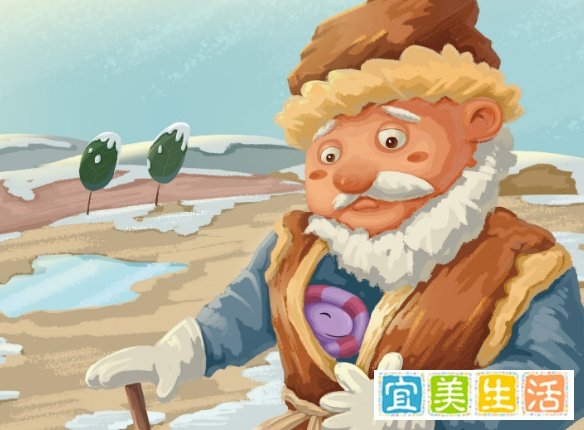
One winter day, a farmer found a half-frozen snake on his way home. Moved by pity, he warmed it by the fire and even fed it meat. However, once revived, the snake devoured the farmer.寓意:Kindness shown to the wicked may backfire.(对恶人仁慈可能反受其害。)
A hunter spared a flower snake that claimed to be harmless, but the snake bit him when his guard was down. As the hunter died, the snake said, "I had to strike—you’d kill me eventually!"寓意:Trusting a deceitful enemy is dangerous.(轻信狡诈的敌人会招致危险。)
A monk tamed a violent snake, teaching it to live peacefully. However, the snake became so timid that people abused it. The monk later lamented, "I only told you not to harm others, not to let them harm you!"寓意:Peacefulness should not equate to weakness.(平和不应等同于软弱。)
A father chopped off a snake’s tail after it killed his child. The snake vowed revenge, and both lived in mutual hatred. The snake said, "I’ll never forget my lost tail!" The father replied, "And I’ll never forget my son!"寓意:Revenge perpetuates hatred.(复仇只会延续仇恨。)
In ancient China, a man won a pot of wine by drawing a snake fastest. Proud of his speed, he added feet to the snake, only to lose the prize. The winner said, "Snakes don’t have feet—you’ve ruined it!"寓意:Overdoing things can ruin success.(过度行事可能适得其反。)
以上内容结合了英语文化中的常见表达与中文经典故事的英文改编,既保留原意又符合语言习惯。